Write a whole book, start to shelf.
Pensive is a calm studio for writing whole books with AI. Build it the way a novelist would — foundations, structure, scenes, then prose — with an always-on agent you talk to. Revise by conversation, then publish to the public library in a click.
Lately, on Pensive
the whole library →
How to Find the Best IGCSE, GCSE and IB Online Tutors in Dubai
How to Find the Best IGCSE, GCSE and IB Online Tutors in Dubai
by William Jack
Sống Lại Vào Ngày Cưỡng Ép Nam Chính
by Vòng Xoay Kính

The Lost Crowns
The Lost Crowns
by Juliette Lenart
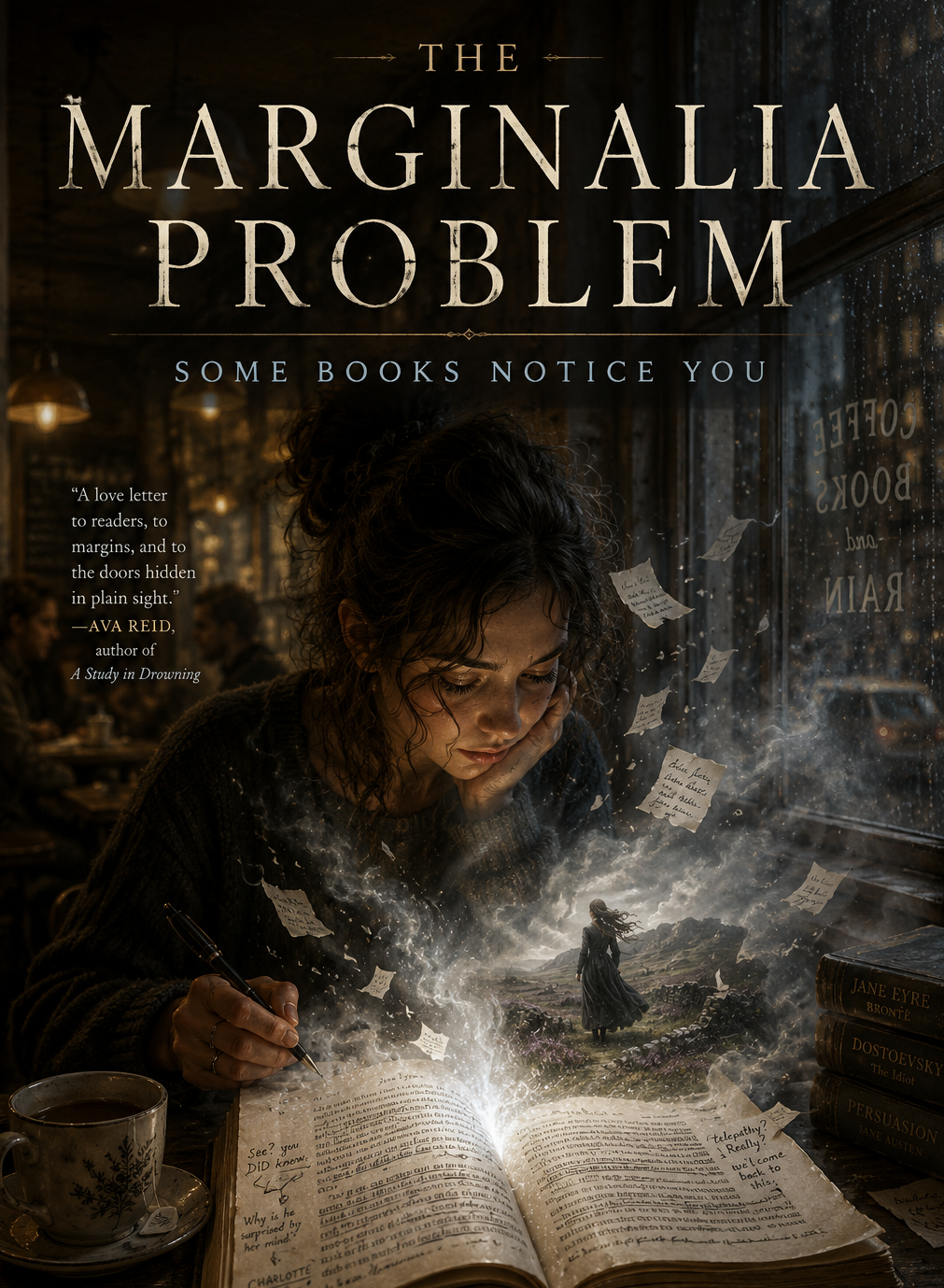
The Marginalia Problem
by Pensive
Reign of Women
by Angish
The Red Rose
by Jatin Sharma

Techtron Island: Civ Rite of Passage Journal
Techtron Island: Civ Rite of Passage Journal
by Elan Thaler

The Porcelain Front
The Porcelain Front
by Kathryn Morrow

Love Happiness
Love Happiness
by Devika Primic
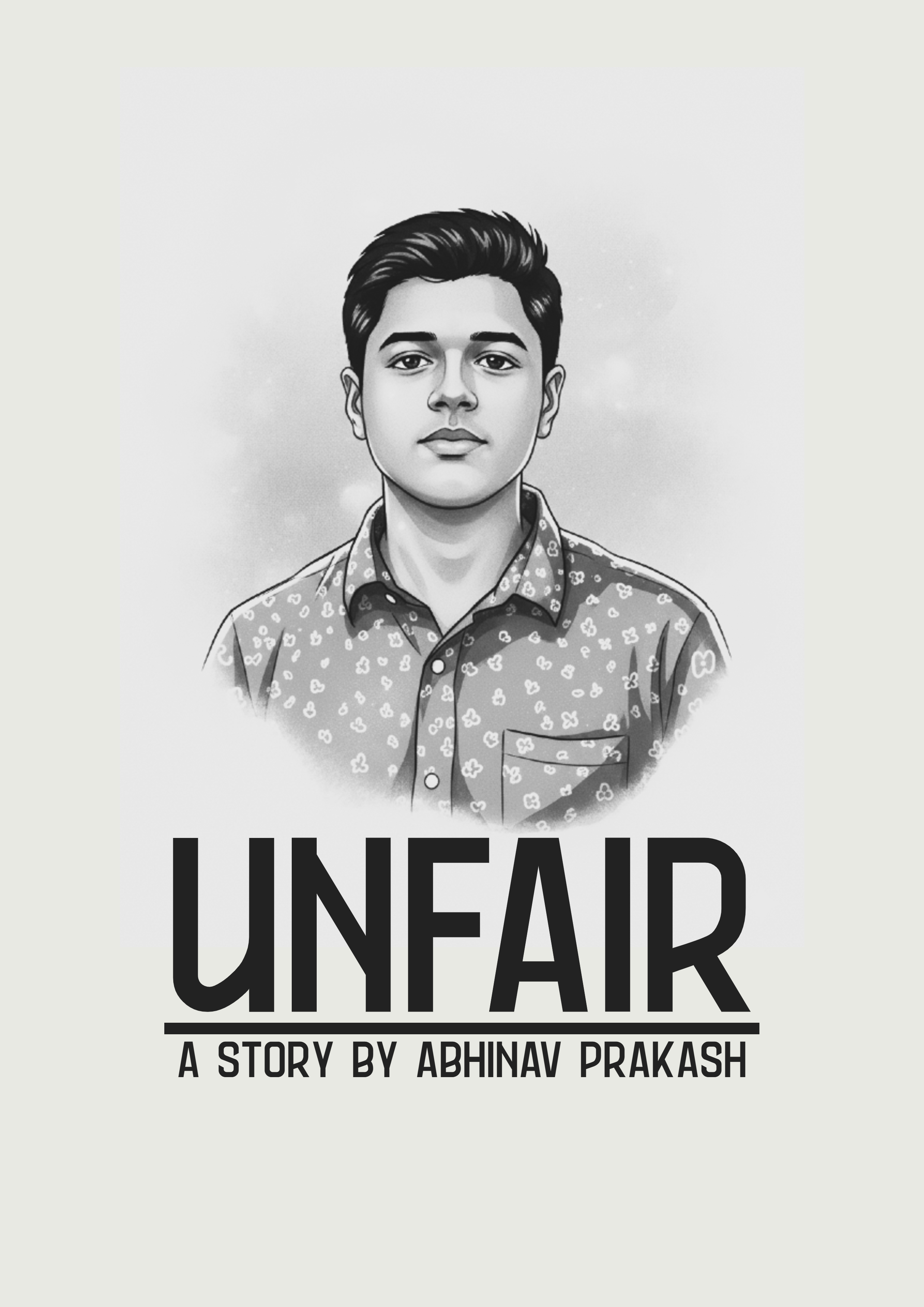
Unfair
by Abhinav Prakash
From an idea to a published book — the way a novelist works.
The Studio walks you down a build ladder — idea, foundations, structure, scenes, then prose — and each rung only firms up once the one above it holds. You stay the author the entire way.
- 1
Create your book
Start with a title and a blank shelf. That's all it takes to begin.
- 2
Brief the AI
Tell Pensive what you're writing — premise, genre, length, tone, heat. Every layer below is drawn from this.
- 3
Idea
A polished logline and the dramatic question the book answers, derived from your brief — the lowest-resolution contract.
- 4
Foundations
The bedrock: the controlling idea, the ending, a cast with a want, wound, and lie, the world, the tentpole moments. What you pin, the AI must keep.
- 5
Structure
The acts and their causal beats — the spine, page by page. Each beat earns the one before it.
- 6
Scenes
Every beat broken into dramatized scenes — each one turns a value, no flat 'and-then'.
- 7
Prose
Render each approved scene in the book's voice, with live progress — or write any scene yourself.
- 8
Read & revise
The agent auto-verifies each scene against its plan; talk to it to revise any node. You approve every change.
- 9
Publish
Flip one switch and your book is live in the public library — readable anywhere, downloadable as EPUB.
One tree for the whole book.
The Studio is a single surface: your book as a living tree — idea, foundations, structure, scenes, prose — with a rung ladder tracking what holds and what's left, and one always-on Agent in the rail. You converse to build and revise; it proposes, applies, and auto-verifies each scene against its plan. Think of it as a code editor, but for a novel.
- →Your whole book as one tree — every layer in one view
- →One Agent builds and revises; it proposes, you approve
- →A rung ladder shows what's planned, drafted, and out of sync
Done — every axis passes: goal, outcome, value-shift, and Mara's vow all hold. The split across the beat's two scenes is correct.
Write “The rival keeper's lamp goes dark.”
It builds a book the way a novelist would.
Not one giant prompt. Pensive settles the foundations first — the controlling idea, the ending, a cast with a want, a wound, and a lie, the tentpole moments — then the structure: acts and their causal beats, page by page, then a scene for each. Only once the bones hold does it write the prose, in your book's voice.
- →Foundations: controlling idea, ending, cast, tentpole moments, voice
- →Structure: acts, causal beats, and a scene for each — before any prose
- →Pin what matters; the AI has to keep it
- Argument
- Some truths are kinder left drowned.
- Ending
- Mara burns the journal, keeps the lamp lit.
◆ Tentpole — the rival keeper's lamp goes dark.
A lighthouse keeper salvages a journal in her own handwriting and, page by page, must decide whether to live the life it predicts — or burn it before the wreck it foretells reaches her shore.
Mara hauls a sea-chest from the rocks; inside, a journal in her own hand she never wrote.
The rival keeper’s lamp goes dark — and Mara realises someone is reading the same pages.
Import a manuscript. Pensive infers the plan.
Drop in an EPUB and Pensive reads the prose, then builds the whole plan above it — premise, cast, world, threads, and a beat for every page. Your words are locked as source of truth and never rewritten; you get the living plan you'd have gotten if you'd built it here, so you can revise structurally from day one.
- →Bring an existing book in as an EPUB
- →The AI infers premise, cast, threads, and every beat from your prose
- →Your words stay locked, word for word — only the plan is inferred
A lighthouse keeper salvages a journal in her own hand whose pages keep coming true.
Mara Vane — wants to leave the island; let the last ship founder.
The rival keeper's dark lamp · the wreck the journal foretells
A calm editor that gets out of the way.
Rich text without the clutter. Structure your book into chapters and pages, and write on a clean, readable surface that looks the way the published page will.
- →Distraction-free rich-text editing
- →Chapters, sections, and pages
- →Autosaves as you write
Salvage
The tide had taken everything but the timber, and the timber had taken on the colour of the sky — that flat, drowned grey Mara had stopped naming years ago.
She found the journal wedged beneath the third strake, its pages swollen but legible, and the first line was her own name.
An expert editor reads your whole book.
Pensive assesses the manuscript the way a publishing editor would — a genre verdict, a letter grade, and prioritised, page-anchored notes. Then it can revise the flagged pages for you, saved as drafts you review before keeping.
- →A verdict, a grade, and a 'fix these first' list
- →Notes anchored to the exact page
- →One click to apply the notes as a revision
Atmospheric and assured — the prose earns its quiet. The mystery's engine stalls in the middle third, where the stakes go soft and Mara watches more than she wants.
- Genre
- Literary mystery
- Grade
- B+ · solid, publishable with revision
- Don't resolve the wreck in Chapter 5 — the mystery deflates.
- Dramatise Mara's reason for staying; right now it's asserted.
⚠ high — Chapter 5 answers the central question 60 pages early.
“So the ship had never sailed at all,” she said, and that was that.
↪ Chapter 5 · The ConfessionSee the emotional shape of your book.
Track the axes that matter — tension, heat, comedy, a game-score — as lines over the whole book. The solid line is the plan; run the editor's read and a dotted line shows what the prose actually delivers, so a slack middle or a climax that never lands is something you can see, not just feel.
- →Plot tension, heat, comedy, or any axis across every beat
- →Solid line = the plan; dotted line = what the prose delivers
- →Send the gaps straight to the AI editor to close
●read_gap — the prose runs cooler than the plan through Act I. Send it to the editor?
Talk to the agent. It edits.
The same Agent that builds your book also revises it — every node in the tree, from the premise down to a line of prose. Tell it what's wrong in plain language and it answers, then surfaces a reviewable proposal with a before-and-after diff. Apply it or discard it; you approve every change before it sticks.
- →One agent across every layer — no separate tools
- →Proposals arrive as a clear before → after diff
- →Nothing is saved until you apply it
The middle sags. Raise the cost of staying, and make the journal something she can't put down.
Agreed — right now staying is a mood, not a choice. I've rewritten the spine so the journal binds her: each page she reads comes true.
A lighthouse keeper finds an old journal and slowly decides whether to trust what it says about her past.
A lighthouse keeper salvages a journal in her own hand whose pages keep coming true — and must burn it before the wreck it foretells reaches her shore.
Ready to share? Flip one switch.
No gatekeepers, no approval queue. Make a book public and it is instantly live in the public library — beautifully readable on any device, and downloadable as EPUB.
- →One toggle to go public
- →Instantly listed in the library
- →Readers get EPUB and send-to-Kindle
Salt & Lamplight
by Mara Vance · 24 pages
Everything a book needs after the first draft.
Scene images
Character portraits and AI scene art, generated from your prose.
The book map
See the whole book at a glance — what's planned, drafted, and out of sync.
Send to Kindle
Push any book to your Kindle, or export EPUB.
Version control
Snapshot versions, work in drafts, revert anytime.
Collaborate
Invite co-authors and readers — as many as you want.
Themes
Paper, coffee, or pumpkin — light or dark, your call.
Read the Pensive manual — written on Pensive.
Your next book starts with a sentence.
Lay the foundations, plan the beats, draft the prose — with an AI agent in the rail the whole way. Then publish when you're ready. No setup, no gatekeepers.